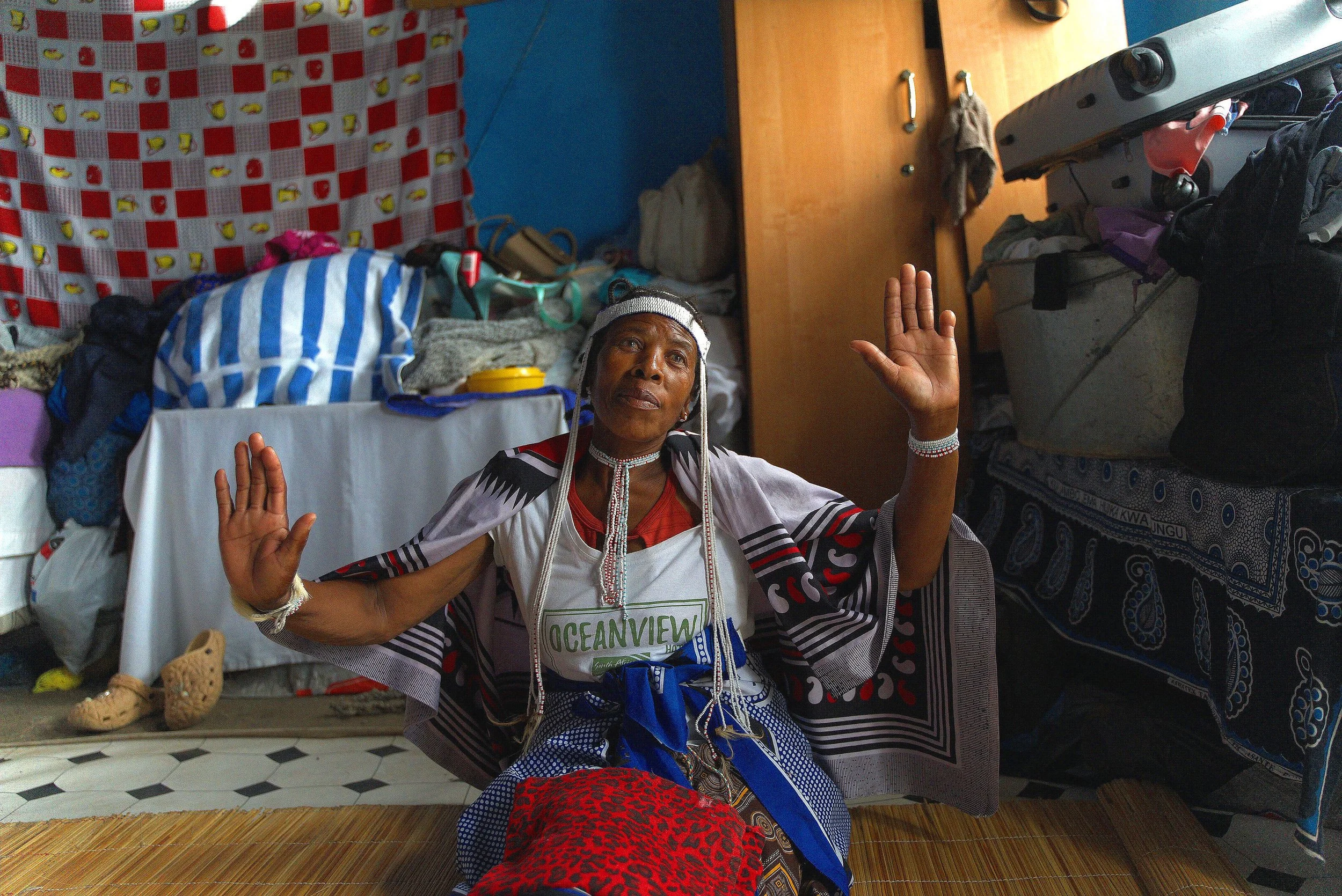
African Psilocybin Project
African Psilocybin Project
THE AFRICAN PSILOCYBIN PROJECT
The first-ever systematic investigation into Indigenous relationships with psilocybin in Africa.
As a lead researcher, I’m helping document a history and living body of knowledge that has been almost entirely absent from the global psychedelic record. The project brings ethnography, ecology, neuropsychopharmacology, and Indigenous knowledge into direct relationship to understand not just whether psilocybin has been used, but how these fungi are understood, contextualized, and carried within communities.
My role is equally ethicaly rooted. I bring expertise in reciprocity, Indigenous sovereignty, benefit-sharing, representation, and cross-cultural research design to help ensure that documentation does not become extraction. The goal is not simply to produce new knowledge. It is to build a model for how that knowledge can be studied rigorously, transparently, and in relationship with the people who hold it.
A systems analysis of how the psychedelic wellness economy can move from extracting Indigenous knowledge to building structures of reciprocity, sovereignty, and shared power.
At Johns Hopkins, I led From Extraction to Regeneration — Reconfiguring the Psychedelic Wellness Economy in the Peruvian Amazon, examining how industries can profit from Indigenous medicines, knowledge, and cultural practices while leaving the communities that carry them outside of ownership, governance, and long-term benefit.
I mapped the system behind that extraction and developed alternatives centered on Indigenous leadership, community control, revenue sharing, rights of nature, cultural sovereignty, and reciprocity.
The work reflects a principle at the center of everything I build: integration is not taking what is useful from another knowledge system. It is redesigning the relationship so that the people, cultures, and lands generating value remain powerful within what gets created.
FROM EXTRACTION TO REGENERATION
01
INDIGENOUS
LEADERSHIP
02
RECIPROCITY
REVENUE SHARING
03
CULTURAL
SOVEREIGNTY

ANCIENT MODERN INSTITUTE
ANCIENT MODERN INSTITUTE
Engineering research, education, and ethics frameworks at the intersection of science, legislation, medicine, and Indigenous knowledge.
At Ancient Modern, I serve as the Executive Director of Ancient Modern Institute, where I translate interdisciplinary inquiry into field initiatives, strategic partnerships, educational programs, and institutional frameworks. I shape how projects are designed, governed, and carried forward so they remain scientifically rigorous, culturally ethical, and accountable to the communities whose knowledge and traditions inform the work. Central to my role is building structures that protect Indigenous leadership, distribute benefit, and embed reciprocity into the work from the outset.
CENTRAL & SOUTH AMERICA CONSCIOUSNESS PROJECT
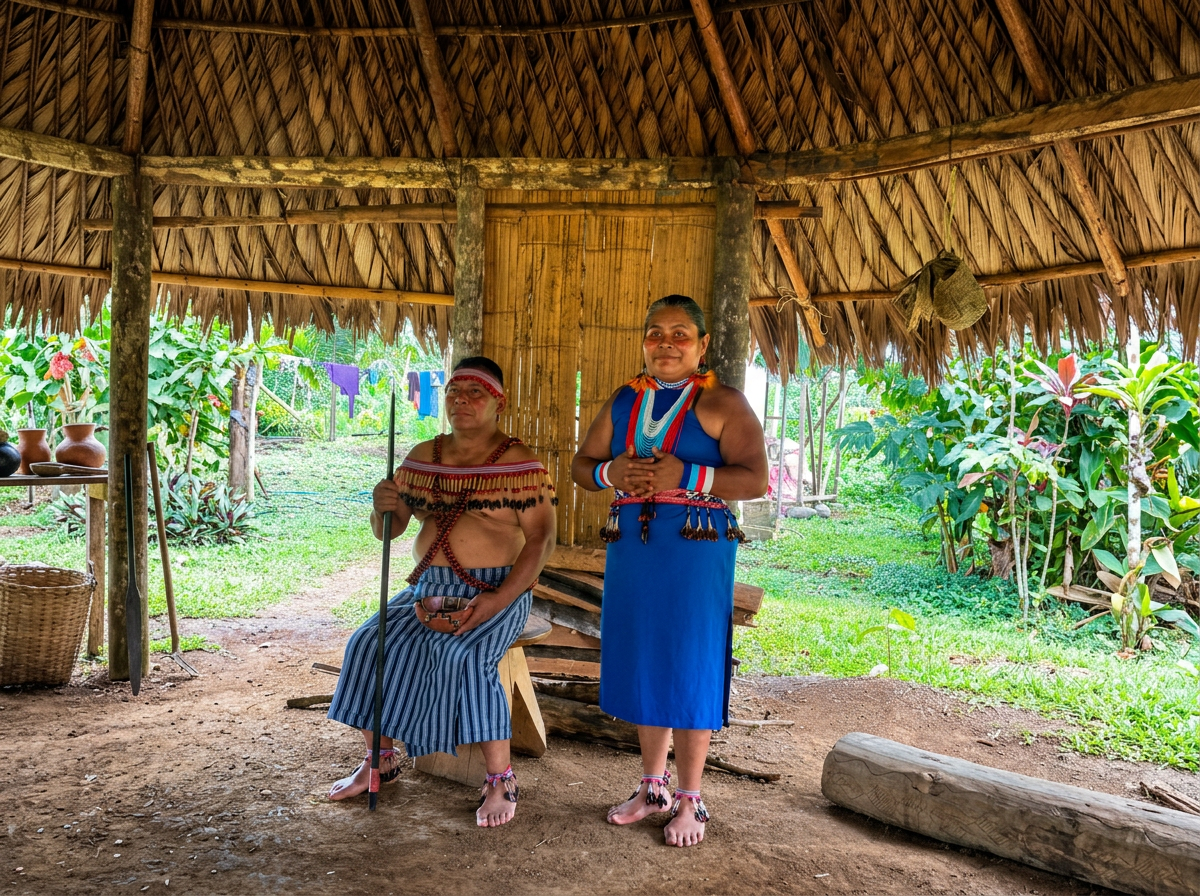
An interdisciplinary field research initiative examining consciousness, traditional medicine, and healing across Central America, the Andes, the Ecuadorian Amazon, and the Peruvian Amazon.
The project brings together neuropsychopharmacology, lived experience, culture, ecology, language, and traditional knowledge to study altered states without stripping them from the systems that give them meaning.
Our work spans psilocybin, ayahuasca, San Pedro, and Shipibo-Konibo dieta traditions, alongside learning with Shuar families, rural communities, villagers, farmers, and local knowledge keepers across the region.
At its core, CSACP examines how medicine, consciousness, culture, land, and relationship shape one another — and what becomes possible when human experience is studied without reducing it to a molecule, mechanism, or single discipline.
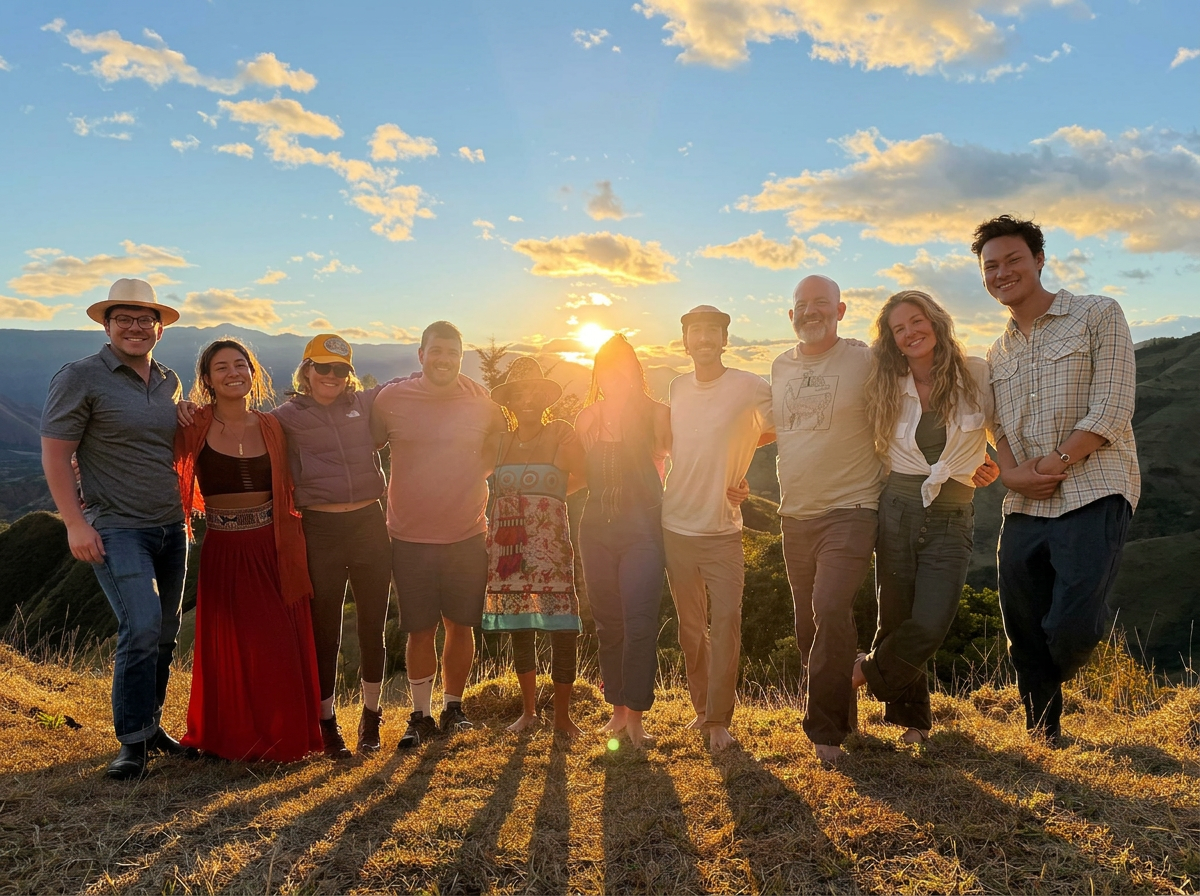
AMAZON • ANDES • EXPEDITION •
AMAZON • ANDES • EXPEDITION •
Tracing cacao, medicine, and living knowledge across the Ecuadorian Andes and Amazon.
I co-led a joint Legacy Cacao × Ancient Modern Expeditions field expedition across the Ecuadorian Andes and Amazon, working alongside Indigenous families, Shamans, elders, farmers, archaeologists, and local knowledge holders to explore the intersections of ancestral knowledge, medicine, ecology, archaeology, and regenerative agriculture. The expedition traced cacao from ancient ceremonial sites to living agroforestry systems, while examining how culture, land, medicine, and reciprocity remain inseparable within enduring Indigenous knowledge systems.
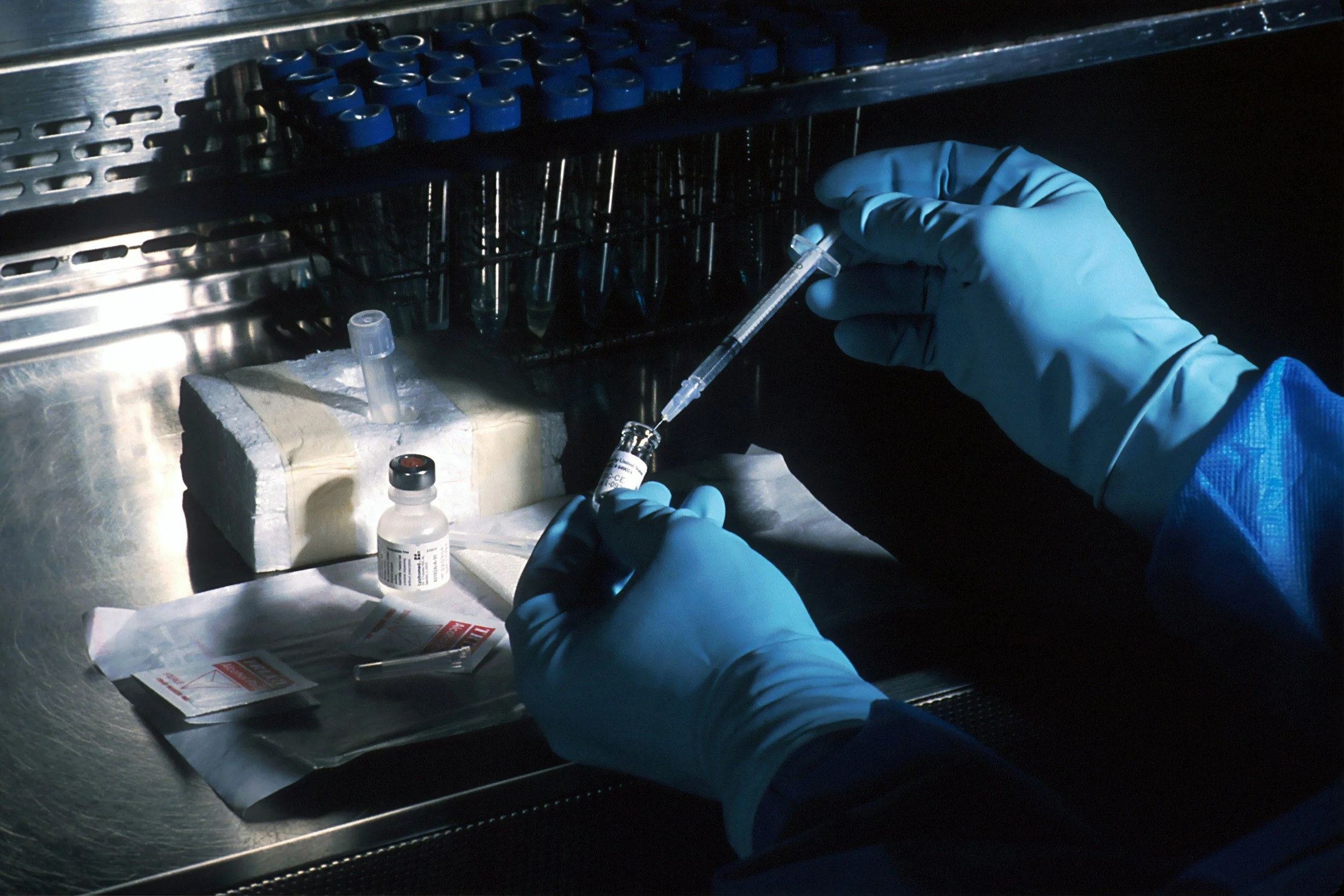
PROTEIN ENGINEERING
Dissecting how solvent-exposed electrostatic interactions modulate protein folding energetics without perturbing global structure or catalytic function.
At Johns Hopkins, I studied staphylococcal nuclease (SNase) to determine how surface ion pairs influence folding energetics, structure, and catalysis. Using engineered variants at residues E122/R126, I examined how altering charge identity and orientation affects protein behavior through site-directed mutagenesis, circular dichroism, thermal and chemical denaturation, and nuclease activity assays.
Our results showed that disrupting the native ion pair caused small but reproducible losses in stability while preserving global structure and Ca²⁺-dependent function, highlighting how solvent exposure and electrostatic screening constrain the energetic contribution of surface charge interactions.